Buy curious
Take home the intriguing tale
of Gabriel Lawrence.

KEEPER’S NOTES: After all, doesn’t everyone’s granny have a Jasperware piece?
During the VE Day celebrations of 1945, two soldiers met and fell in love.
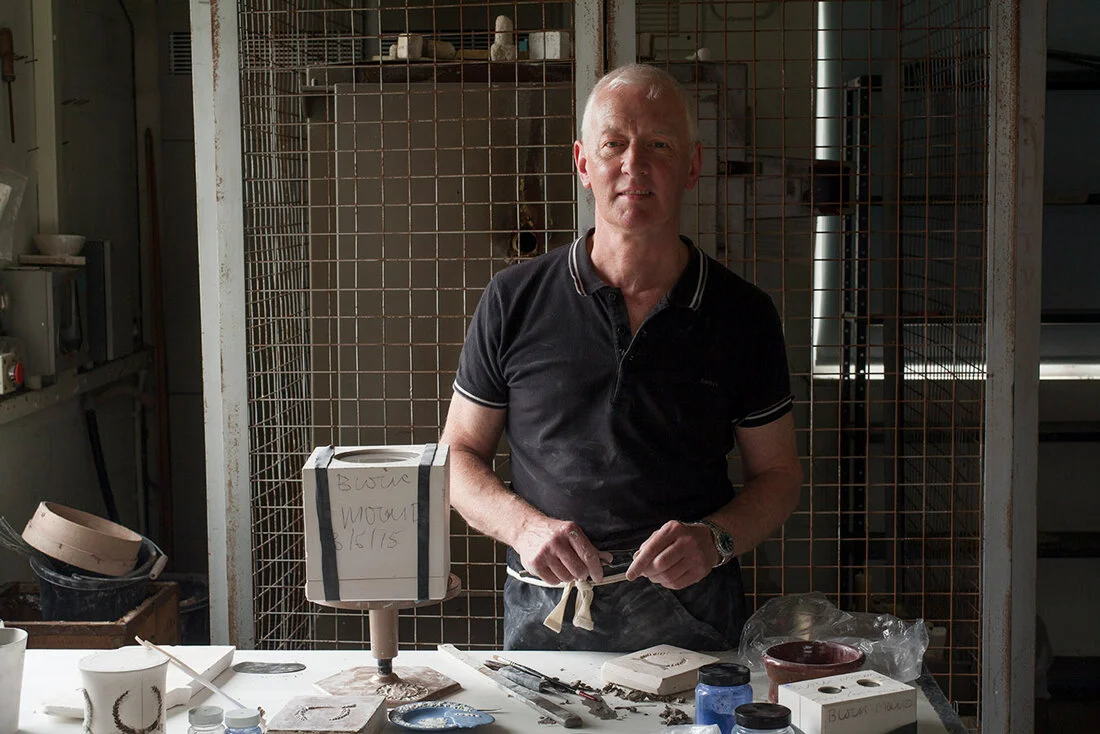
Many years later, while working as potters in Stoke, they designed a loving cup, to mark the passing of a new law decriminalising homosexuality between men in England and Wales.
To the outside world, the pair lived as bachelor “flatmates”. Because of this the loving cup also stands as a symbol of their hidden love for one another.
Reproduced by English craftsmen using traditional methods, this piece is an homage to the original Loving Cup, the Sexual Offences Act 1967 and freedom.
Keeper’s Notes: The perfect soft addition to any nook or cranny.
Elevate your home with this beautifully illustrated laurel motif cushion, and when the fancy takes you, give it a quick flip to reveal the alternative and equally pleasing image on the reverse.
Sumptuously cosy and elegant, it’s the perfect accessory for a much-loved armchair or designated reading spot.
The unique design pays homage to the Loving Cup held in the Museum’s permanent collection.
Exquisitely crafted in a satin feel velvet, and ever so satisfying to the touch, we’ll be surprised if you can stop stroking it at all, quite frankly.
KEEPER’S NOTES: Show the world what you stand for.
Each bag is individually hand-printed by The Keeper, although they may differ in look, all will give you the appearance of a sexual mutineer.
When wearing, please spare a thought for the people of the Red ‘X’ and all those sexual heroes who risked life and limb to provide us with the sexual liberties we enjoy today.
KEEPER’S NOTES: “Hands on hips, pout on lips.”
A staple of any wardrobe, this is a classic monochrome t-shirt with a twist. Hand-printed using the iconic London street font, this stylish top pays homage to the sexual histories of Piccadilly.
100% of profits from our Dilly Boys t-shirts are donated to Bishopsgate Institute.
About the Dilly Boys
Piccadilly is on the fringes of Soho, during the 20th century it became popularly known as the Dilly. The rent boys that plied their trade here were therefore known as Dilly boys.
Many of these young sex workers were extremely vulnerable and took drugs to cope with the harsh realities of their life. They were treated as socially despised outlaws.
Sometimes, the term was used as a warning to boys who did not behave themselves – ‘otherwise, you’ll be sent up the Dilly!‘
The demise of the Dilly trade occurred when it was possible to book escorts online.
The infamous Dilly Boys have inspired songs by the Rolling Stones, Morrissey, and Libertines.
KEEPER’S NOTES: You decide if you are an objector or the objectified.
Individually printed by the hand of The Keeper, this unique t-shirt’s Eighteenth-century ransom-style lettering gives an Illicit edge. An unusual twist on a wardrobe essential.
When wearing, please spare a thought for the people of the Red ‘X’ and all those sexual heroes who risked life and limb to provide us with the sexual liberties we enjoy today.

Soho Illuminations
See Me, Feel Me, Touch Me! Be seduced by this enticingly soft and temptingly provocative neon collection.
KEEPER’S NOTES: This bona varding, swishing Molly will not fail to turn your oysters up.
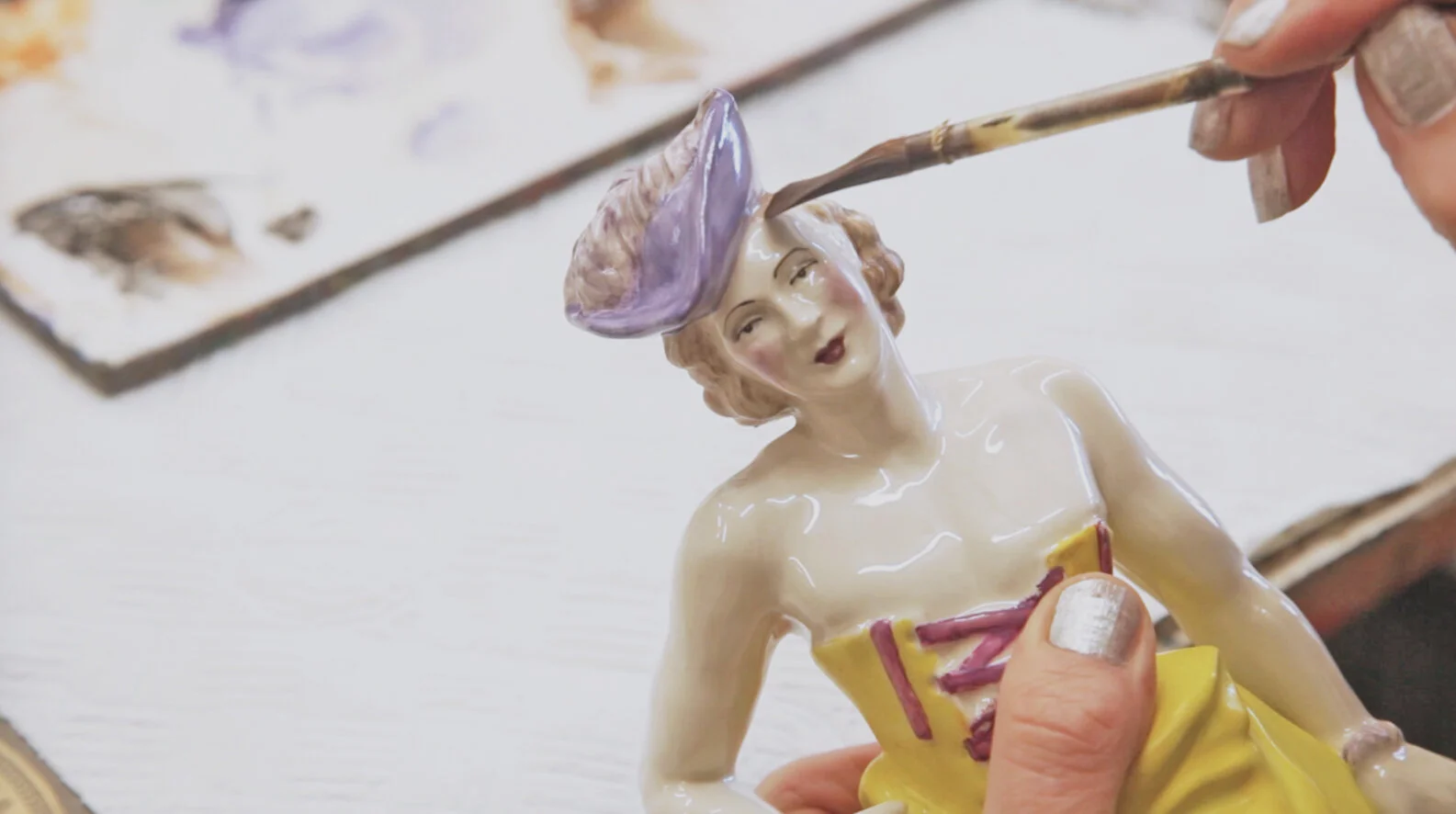
A cross-dressing milkman who regularly visited the city's many molly houses, Gabriel was convicted and hanged for the act of sodomy in 1726. Gabriel’s close friend, the potter Thomas Tyler, created the original work in tribute to his life and spirit.
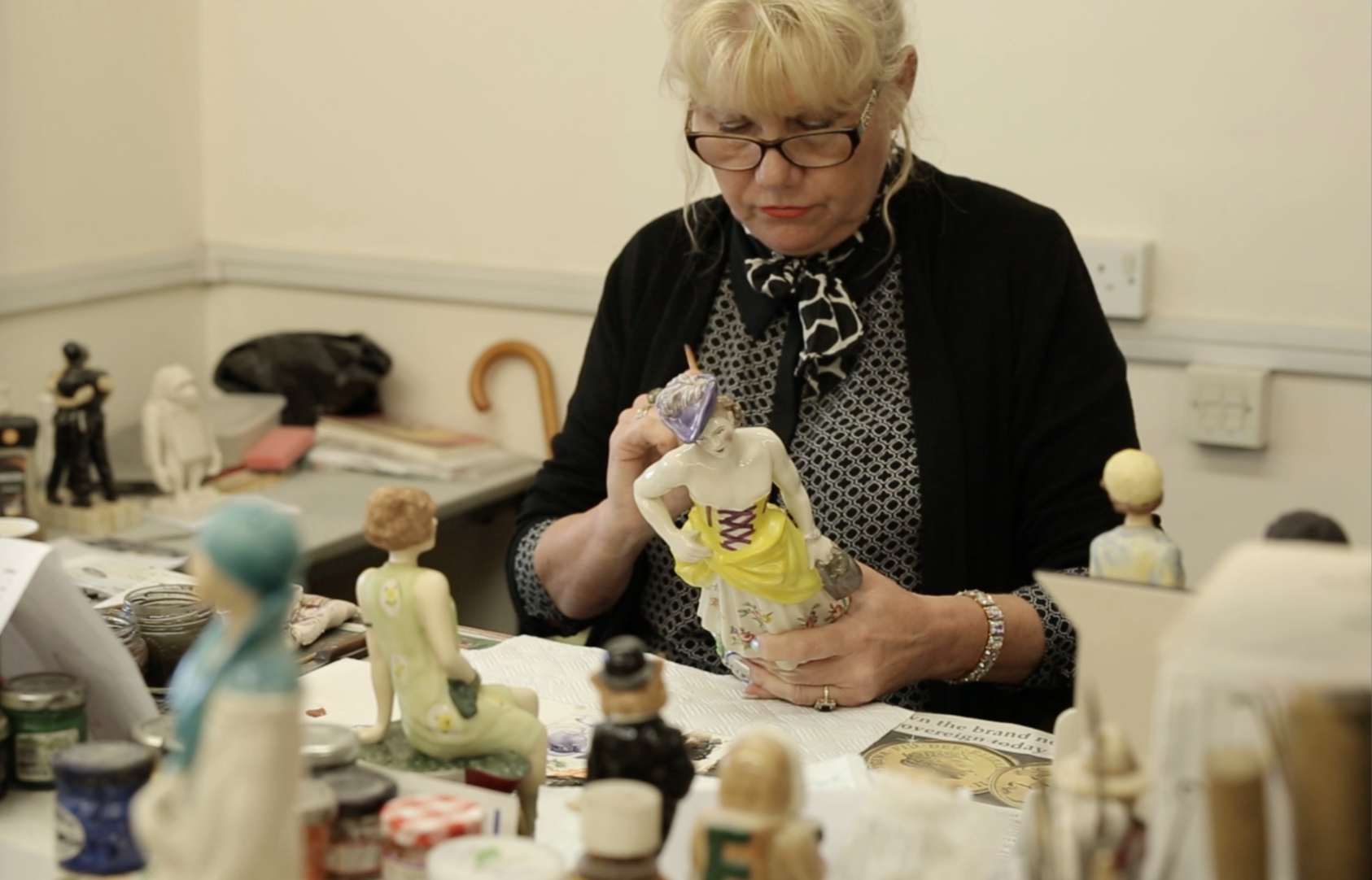
The figurine of Gabriel is now lovingly remade by third-generation makers in Stoke-on-Trent. It portrays Gabriel in classic Rococo style, imitating delicate pastoral designs favoured by the famous Bow Porcelain Factory. Assembled by hand and decorated using traditional techniques, each piece is unique in its finishing.
*Limited edition
KEEPER’S NOTES: Need to keep those precious surfaces safe, folks.
Make a statement with this perfect homeware gift, handmade in the Lincolnshire countryside by fit craftsmen.
From a lovely glass of Gin and Tonic to a creamy Cappuccino, all our drinks need a place to stand, so why not do it in style?
Impress your guests whenever the fancy takes you with the Stoke Potters love story, hidden in the coasters’ unique design and inspired by the Museum’s Loving Cup.
KEEPER’S NOTES: Use to politely dab the corners of one’s ‘oven’.
No dinner party is complete without these elegant napkins. Delicately screen printed on linen, they are both charming and practical.
Each contains an extract from a story and leads to some enticing after-dinner delights, the perfect quirky housewarming gift.
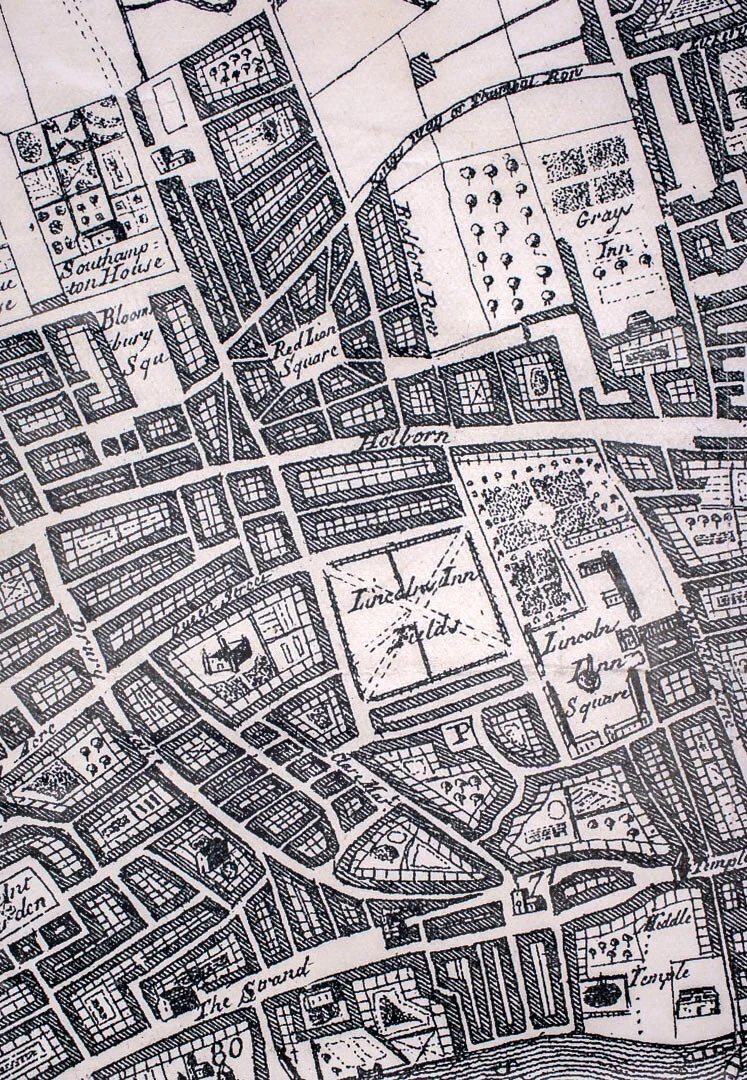
Based on a design originally made for the infamous Thélème Club, the map is a thinly disguised guide to cottaging in 1930s London.
Public lavatories appear alongside popular tourist attractions, such as London Zoo and Westminster Abbey.
The toilets are charmingly represented by what seems to be jousting tents, perhaps intended to invoke a suggestion of two knights coming together wielding their erect lances. Two lavatory attendants, brandishing toilet brushes, can also be seen reclining in the foreground.
Each ‘tent’ or toilet has been numbered with its corresponding coordinates for you to find, but sadly, only a few of these spots remain today.
“No, sir” growled Mr Mumble, Doyen of the Thélème Club. "No, not those napkins," he said sharply, "My guests and I require the special napkins".
The word 'special' pronounced with distinct singularity, though he was wringing out every drop of exclusivity it held. Not one for being caught off guard, he quickly said: "But my dear boy, do you know what you are getting into?" The young man replied, "How bona to vada your dolly old eeke," and winked.








KEEPER’S NOTES: Proudly drape this sumptuous velvet throw across the bed, sofa, or indeed, your body, it feels divine against your skin.
Express yourself with this unusually seductive accessory, handmade by British seamstresses.
Full of grandeur, its design draws inspiration from the Jasperware Loving Cup in the Museum’s permanent collection.
The charmingly illustrated central motif shows the date of the Sexual Offences Act 1967, for which the loving cup was made to commemorate.
A key luxury homeware piece, providing instant cultural kudos, the ideal gift for the man who has not quite everything.
READ THE STORY OF THE LOVING CUP